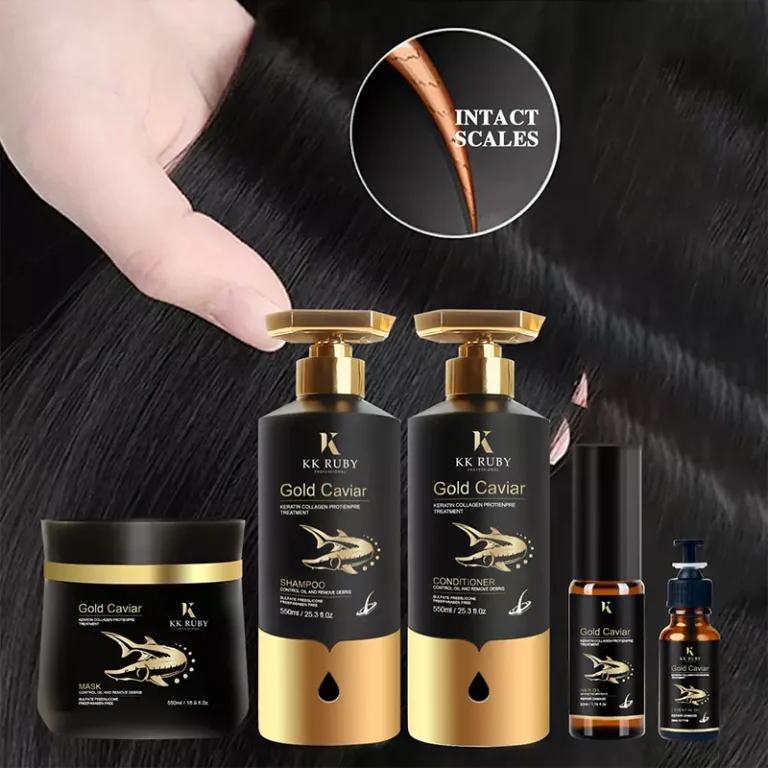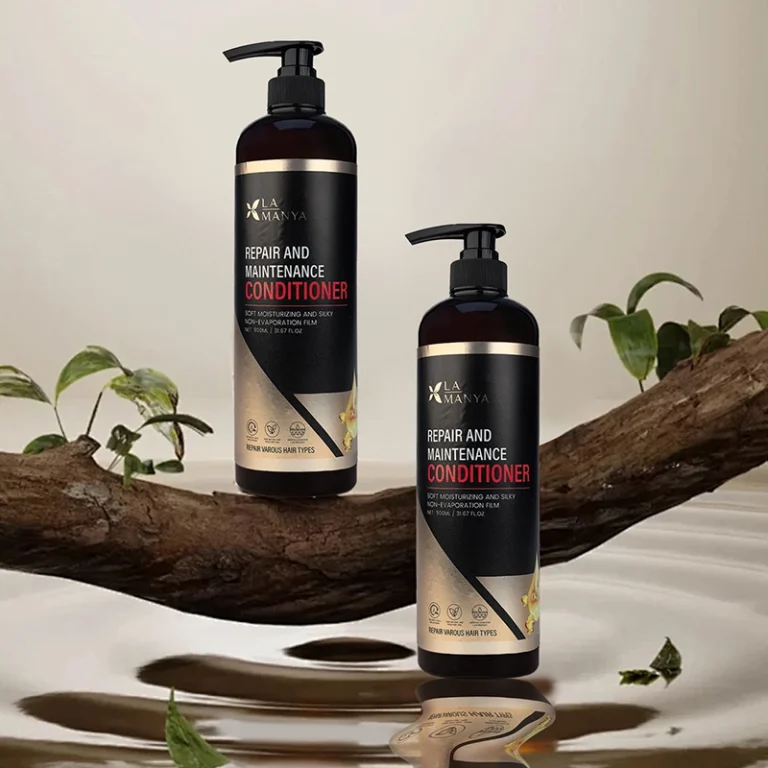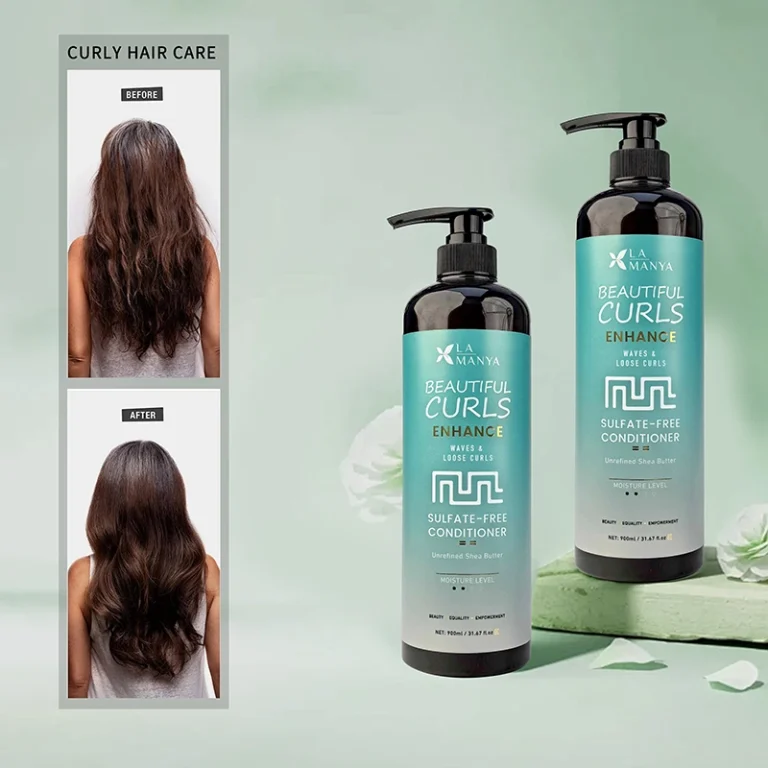
When you lather up your hair in the morning or apply a revitalizing treatment, you are witnessing the end result of a high-tech ballet. The journey of a single bottle of hair care involves more than just mixing liquids; it is the product of a sophisticated cosmetic factory where chemistry, engineering, and creative vision collide.
For many of the world’s leading labels, that journey begins behind the scenes at a specialized facility like Jindao Shampoo OEM Manufacturer. Understanding how these factories operate offers a fascinating glimpse into the industry that keeps the world looking its best.
The Anatomy of Production
A top-tier cosmetic factory is far removed from the simple laboratory setups of the past. Today, these facilities are massive industrial hubs designed for precision and hygiene.
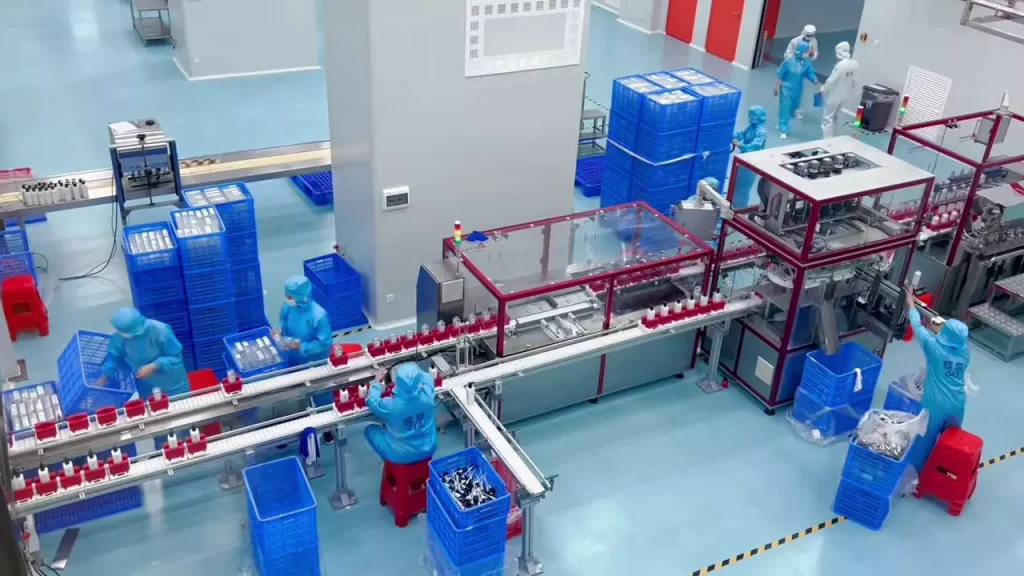
At the heart of the operation are the “Clean Rooms.” Following international GMPC (Good Manufacturing Practice for Cosmetics) standards, these areas are strictly controlled to prevent any dust or microorganisms from contaminating the products. In Jindao’s Guangzhou facility, which spans an impressive 120,000 square meters, the scale of production is matched only by the strictness of the safety protocols.
From Raw Ingredients to Finished Formula
The process generally follows a specific flow:
- R&D and Formulation: This is the “brain” of the factory. Chemists work with thousands of ingredients—from trendy botanical oils like Moroccan Argan to advanced proteins—to create a stable, effective formula.
- Emulsification and Mixing: Large-scale stainless steel vats use high-shear mixers to ensure that oils and water-based ingredients fuse perfectly. This ensures that your shampoo doesn’t separate on the shelf.
- Quality Control: Every batch is tested for pH balance, viscosity, and microbial safety. This step is non-negotiable for maintaining consumer trust.
- Filling and Packaging: Once approved, the liquid moves to automated lines where bottles are filled, capped, and labeled at incredible speeds.
The Rise of the OEM Model
Building a private cosmetic factory is an astronomical investment. This is why many successful entrepreneurs turn to “Original Equipment Manufacturers” (OEMs).
By partnering with Jindao Shampoo OEM Manufacturer, brands can leverage existing infrastructure. Instead of worrying about machine maintenance or chemical sourcing, a brand owner can focus on marketing and identity. Whether a client wants a small batch of luxury “Anti-Frizz” serum or a massive run of budget-friendly family shampoo, the factory provides the flexibility to scale.
Innovation at Scale
A modern factory must also be an innovator. With the global shift toward sustainability, many facilities are now integrating “Green Chemistry.” This involves reducing water waste during the manufacturing process and sourcing biodegradable ingredients that perform just as well as their synthetic predecessors.
By staying at the cutting edge of these trends, a cosmetic factory acts as more than just a supplier; it becomes a strategic partner that helps a brand stay relevant in a fast-moving market.
The next time you use your favorite shampoo, take a second to think about the massive, precision-engineered world that brought it to your shower. It’s a world where every drop is calculated, and every bottle is a testament to industrial excellence.