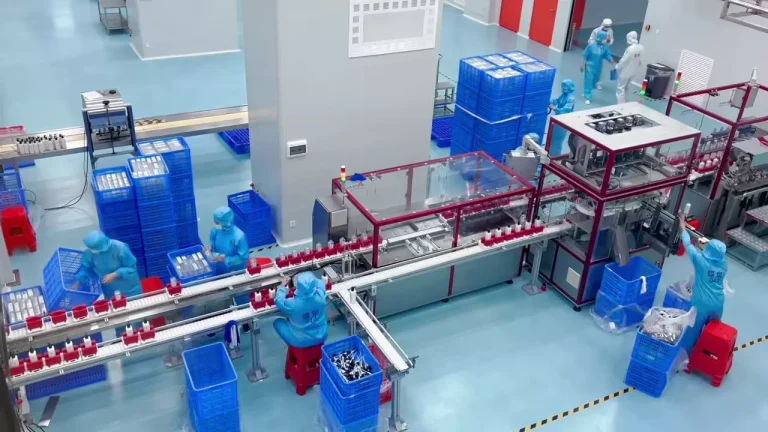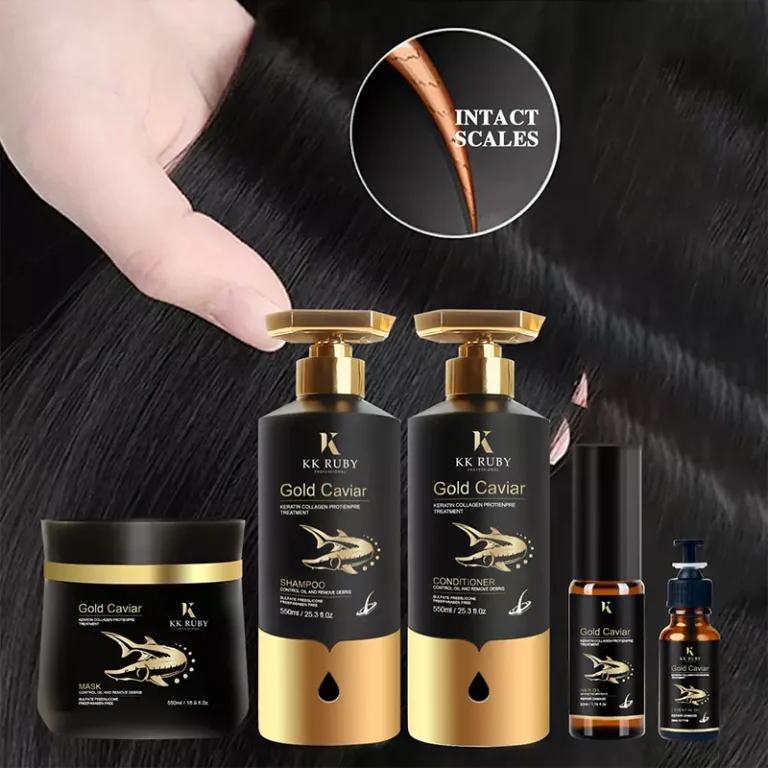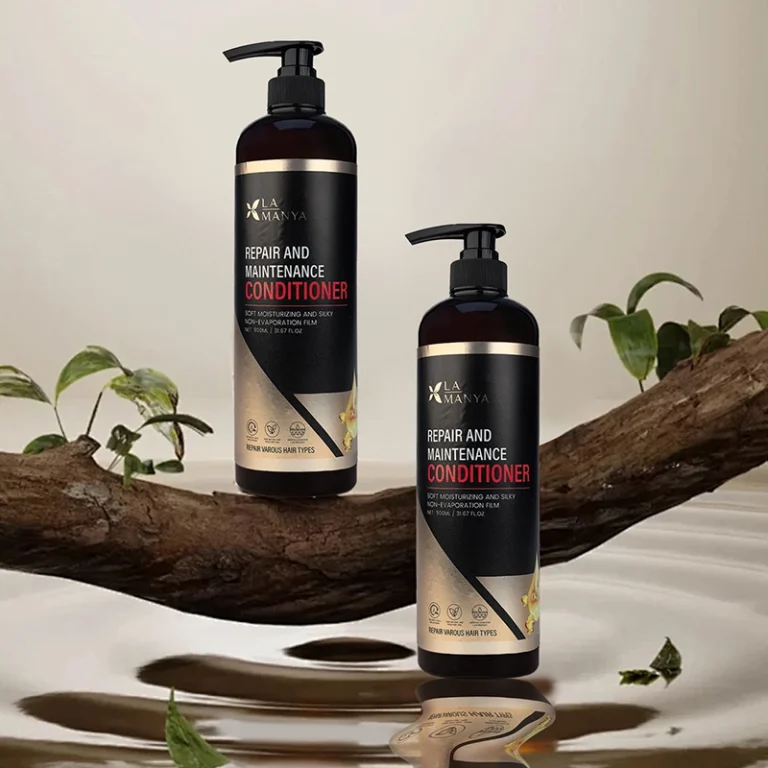
In today’s fiercely competitive personal care market, brand differentiation has become a key to success. For brands seeking market breakthroughs, finding a shampoo OEM factory that can provide flexible customization services is crucial. A professional shampoo factory not only guarantees product quality but also helps brands quickly respond to market changes and launch products that meet consumer needs through flexible OEM/ODM services. This article will delve into how shampoo OEM factories achieve flexible customization and analyze modern shampoo production solutions using Guangzhou Jindao Cosmetics Factory, a leading company in the industry, as an example.
Industry Background and Market Demand for Flexible Customization
As consumer demands become increasingly diversified and personalized, the shampoo market has shifted from a single cleaning function to multi-dimensional competition encompassing scalp care, hair loss prevention, hair growth, and fragrance experience. Traditional large-scale, standardized production models can no longer meet the needs of brands for rapid product iteration. This presents unprecedented opportunities for shampoo OEM factories with flexible customization capabilities.
Modern shampoo OEM services have evolved from simple “white-label production” to a full-chain solution covering market analysis, formula development, packaging design, manufacturing, quality inspection, and logistics. A top-tier shampoo factory needs to be flexible and responsive in all these aspects to help brands stand out in fierce market competition.
Formulation Development Flexibility: The Core of Shampoo OEM Customization
Modular Formulation System
Leading shampoo factories achieve R&D flexibility by establishing a modular formulation system. Taking Guangzhou Jindao Cosmetics Factory as an example, this factory breaks down its formulas into basic cleansing modules, efficacy enhancement modules, sensory experience modules, and stability modules. Brands can freely combine these modules according to target market needs to quickly create unique formulas.
This modular system enables shampoo OEM services to:
- Shorten the R&D cycle: from the usual 3-6 months to 4-8 weeks
- Reduce development costs: reduce redundant testing and improve R&D efficiency
- Ensure product stability: developed based on mature modules, ensuring higher quality
Flexible Combination of Multiple Functions
Modern shampoo OEM customization has transcended single functions, achieving flexible combinations of multiple functions. Professional shampoo factories can provide:
- Cleansing and conditioning combinations: such as oil control + dandruff removal, repair + smoothing
- Divided scalp and hair care: targeting different scalp types and hair problems
- Products with specific effects over time: such as hair growth cycle care, seasonal scalp conditioning
Guangzhou Jindao Cosmetics Factory has established a comprehensive data support system in this area, analyzing the compatibility and synergistic effects of thousands of raw material combinations to provide brands with scientific efficacy combination solutions.
Production Process Flexibility: Small Batch Sizes and Rapid Response
Flexible Production Systems
The biggest challenge facing traditional shampoo factories is that large-scale production lines struggle to adapt to the demands of small-batch, multi-variety production. Modern shampoo OEM factories resolve this contradiction by establishing flexible production systems:
- Modular Production Equipment: Production lines that can be quickly reconfigured to accommodate products of different viscosities and packaging formats.
- Intelligent Scheduling System: Optimizing production scheduling through MES (Manufacturing Execution System) to minimize changeover time.
- Clean Production Management: Strict cleaning validation processes to ensure consistent quality across small-batch production.
Taking Guangzhou Jindao Cosmetics Factory as an example, its flexible production line can meet the minimum order quantity of 1000 bottles while maintaining the cost advantages of large-scale production.
Quick Changeover Technology
The flexible customization capabilities of shampoo OEM factories are reflected in their quick changeover technology, which mainly includes:
- Rapid Cleaning and Disinfection System: CIP (Cleaning in Place) system reduces equipment cleaning time.
- Standardized Interfaces and Molds: Packaging lines can quickly switch between different bottle types and pump heads.
- Digital Parameter Management: Formula parameters are stored in the cloud and can be retrieved with one click.
These technologies enable the same production line to produce up to five different formulas within 24 hours, greatly improving the response speed of shampoo OEM services.
Personalized Packaging Solutions
Packaging is a crucial carrier of brand image. Flexible shampoo factories offer multi-tiered packaging solutions:
Basic Flexible Solutions:
- Standard bottle type + customized labels/shrink sleeves
- Combination Packaging: Differentiation achieved through elements such as outer boxes, waist seals, and bottle caps
Intermediate Flexible Solutions:
- Customized bottle types and accessories: Mold opening services, optimized minimum order quantities
- Special Printing Processes: Silk screen printing, hot stamping, spot UV coating, etc.
Advanced Flexible Solutions:
- Smart Packaging: NFC tags, variable QR codes, temperature-sensitive inks, etc.
- Sustainable Packaging: Recyclable materials, refillable packaging, lightweight design
Professional shampoo OEM factories, such as Guangzhou Jindao Cosmetics Factory, typically establish strategic partnerships with multiple packaging suppliers to provide brands with comprehensive packaging solutions from design to finished product.
Supply Chain Management Flexibility: Addressing Market Uncertainty
Diversified Raw Material Reserves
The uncertainty of the global supply chain places higher demands on shampoo OEM production. Flexible, customized shampoo factories ensure supply chain resilience through the following methods:
- Multi-source supply of key raw materials: Maintaining reserves from 2-3 qualified suppliers for raw materials with the same efficacy.
- Safety Stock Management: Dynamically adjusting raw material inventory based on market forecasts and historical data.
- Localized Procurement: Establishing a high-quality domestic raw material supply chain to reduce international transportation risks.
Guangzhou Jindao Cosmetics Factory has established a supply chain system covering over 500 functional raw materials globally, enabling rapid adjustments to raw material combinations based on brand needs and market changes.
Dynamic Capacity Planning
The volatility of market demand requires shampoo factories to have the ability to dynamically adjust production capacity. Advanced shampoo OEM factories achieve capacity flexibility through the following methods:
- Capacity buffer design: Reserving 20-30% of flexible capacity to handle sudden order surges.
- Production outsourcing network: Establishing collaborations with certified factories to share capacity pressure.
- Seasonal adjustment mechanism: Pre-adjusting production resources based on industry trends.
Digital supply chain collaboration
Modern shampoo OEM factories achieve transparency and collaboration across all aspects of the supply chain through digital systems:
- Supplier portal: Real-time viewing of raw material inventory and production progress.
- Demand forecasting platform: Intelligent forecasting based on historical data and market trends.
- Logistics visualization system: End-to-end tracking from production to warehousing.
These systems enable brands to understand order status in real time and adjust market strategies accordingly.
Flexibility in Quality Control: Balancing Standards and Customization
A Hierarchical Quality Management System
Flexible shampoo factories face the challenge of quality control for diverse products, necessitating a hierarchical quality management system:
- Basic Quality Layer: All products must meet national standards and the factory’s basic standards.
- Category Quality Layer: Specific testing items are established based on different product types (e.g., anti-hair loss, dandruff removal, repair).
- Customized Quality Layer: Testing methods are established for specific brand requirements (e.g., specific ingredient content, fragrance intensity).
Guangzhou Jindao Cosmetics Factory, through this hierarchical management system, ensures product safety while meeting the personalized quality requirements of different brands.
Rapid Testing Method Development
Traditional testing methods typically require a long time and are not suitable for small-batch, fast-turnover production models. Leading shampoo OEM manufacturers improve testing efficiency through the following methods:
- Rapid microbial screening: PCR technology reduces testing time from 7 days to 24 hours.
- Near-infrared spectroscopy analysis: Rapidly determines active ingredient content.
- Accelerated stability testing: Establishing a correlation model between accelerated conditions and long-term stability.
Risk-oriented testing strategies
For small-batch customized products, comprehensive testing may be too costly and time-consuming. Flexible shampoo factories employ risk-oriented testing strategies:
- Adjusting testing frequency based on raw material risk levels
- Optimizing process control points based on process maturity
- Strengthening relevant testing according to product usage (e.g., special efficacy claims)
Service model flexibility: end-to-end solutions
Customized, in-depth tiering
Professional shampoo OEM factories typically offer different levels of customization services to meet the diverse needs of brands:
- OEM Basic Level: The brand provides the complete formula and process; the factory is responsible for production.
- OEM Enhanced Level: The factory develops the formula based on the brand concept and collaborates to determine the final solution.
- ODM Innovation Level: The factory provides a full-chain service from market insights and concept development to product launch.
Guangzhou Jindao Cosmetics Factory, as a leading OEM/ODM service provider, can provide the most suitable collaboration model based on the brand’s development stage and resource availability.
Data-driven market insights
The flexible customization of modern shampoo OEM factories is not only reflected in the production process but also extends to the front end of the market. We help brands accurately position themselves through the following methods:
- Trend Analysis Platform: Integrating social media, e-commerce reviews, and industry report data to identify niche opportunities.
- Consumer Profiling Tools: Building target customer profiles based on purchasing behavior and preferences.
- Competitive Analysis System: Monitoring competitor activities and identifying market gaps.
Omnichannel Adaptation Solutions
Different sales channels have different product requirements. Our shampoo factory can provide flexible customization services for:
- E-commerce Channels: Focusing on unboxing experience, visual presentation, and logistics packaging.
- Social Retail: Emphasizing sharing value, the ritual of use, and repeat purchase design.
- Offline Channels: Focusing on display effectiveness, shelf stability, and sales pitches.
- Professional Channels: Dedicated products and training support for beauty salons and hair care centers.
Customized Sustainability: Balancing Environmental Protection and Business
Customized Green Formulas
As consumers become increasingly environmentally conscious, sustainability has become a crucial consideration for shampoo OEMs. Flexible, customized shampoo factories offer solutions in the following areas:
- Biodegradable Formulas: Improving the biodegradability of raw materials to reduce environmental burden
- Water Conservation: Developing clean formulas with low water consumption
- Carbon Footprint Optimization: Selecting local raw materials and simplifying ingredient ratios to reduce the product’s carbon footprint
Innovative Circular Packaging
Environmentally friendly packaging is a vital component of a brand’s ESG strategy. Leading shampoo factories offer a variety of eco-friendly packaging options:
- Refillable Systems: Designing easy-to-clean, reusable packaging
- Single-Material Packaging: Enhancing recycling convenience
- Bio-Based Materials: Innovative material applications such as sugarcane polyethylene and mushroom packaging
Guangzhou Jindao Cosmetics Factory has established a dedicated sustainability laboratory to research environmentally friendly materials and processes, helping brands achieve green transformation.
Digital Transformation: The Technological Foundation for Flexible Customization
Intelligent R&D Platform
Digital tools significantly enhance the flexibility and efficiency of shampoo OEM customization:
- Formulation AI System: Predicts the effects of raw material combinations based on machine learning, reducing the number of experiments.
- Virtual Evaluation Tools: Predicts product stability and compatibility through computer simulation.
- Digital Twin Technology: Establishes digital models of the production process, optimizing process parameters.
Intelligent Manufacturing System
Intelligent manufacturing is key for shampoo factories to achieve small-batch, multi-variety production:
- IoT Devices: Interconnected production equipment for real-time monitoring of production status.
- Automated Logistics: AGV carts, smart warehouses Storage System: Improves Material Flow Efficiency
- AI Quality Inspection System: Machine vision identifies packaging defects, improving inspection consistency
Collaborative Work Platform
Efficient collaboration between shampoo OEM factories and brands relies on a digital platform:
- Cloud-based Project Management: Real-time sharing of project progress and documents
- Virtual Sample Review: 3D rendering and AR technology preview packaging effects
- Online Approval Process: Shortens decision-making cycles and accelerates project progress
Guangzhou Jindao Cosmetics Factory: An Industry Benchmark for Flexible Customization
As a leading shampoo OEM/ODM manufacturer in China, Guangzhou Jindao Cosmetics Factory has set an industry benchmark in flexible customization. The factory has helped hundreds of brands successfully launch best-selling products through the following innovative practices:
Integrated R&D and Manufacturing System
Jindao Factory has established a complete R&D and manufacturing chain from basic research to industrialization, including:
- Raw Material Innovation Research Institute: Focusing on the development of novel surfactants and functional additives
- Formulation Application Center: Possessing a library of over 3,000 mature formulas, supporting rapid customization
- Pilot-Scale Transformation Platform: Seamless integration from laboratory formulations to industrial production
- Clinical Evaluation Center: In vitro and in vivo efficacy testing, supporting product claim verification
Full-Chain Digital Ecosystem
Jindao Factory has invested in building a digital ecosystem that spans the entire business process:
- Digitalization of Customer Needs: Transforming brand requirements into actionable R&D parameters
- Transparent R&D Process: Brands can view R&D progress and data in real time
- Visualized Production: Remote monitoring of production through factory cameras and data dashboards
- Quality Traceability: A full-chain traceability system from raw materials to finished products
Agile Organizational Structure
To adapt to rapidly changing market demands, Jindao Factory adopts a “platform + project” organizational model:
- Platform Department: Core competency centers for R&D, production, and quality
- Project Teams: Cross-departmental teams that respond quickly to specific brand projects Innovation
- Incubator: Exploring cutting-edge technologies and business models to maintain industry leadership
Future Trends: New Directions for Flexible Customization in Shampoo OEM Factories
Personalized Customization Upgrades
The future of flexible customization in shampoo OEM factories will move towards deeper personalization:
- DNA/Microbiome-Based Customization: Customizing products based on individual scalp microecology and genetic characteristics
- Real-Time Demand Response: Monitoring usage habits through IoT devices and automatically adjusting product formulas
- Subscription-Based Production: Predicting demand based on consumer usage data and automatically scheduling production
Distributed Manufacturing Network
New technologies such as blockchain and 3D printing will give rise to distributed manufacturing models:
- Regional Micro-Factory: Small smart factories located near consumer markets, quickly responding to local needs
- 3D Printed Packaging: Printing personalized packaging on demand, achieving zero-inventory production
- Distributed R&D: Collaborating global R&D resources to accelerate product innovation
Circular Economy Integration
The future of shampoo OEM factories will become key nodes in the circular economy:
- Product as a Service: Selling the effect of use rather than the product itself; the factory is responsible for recycling and reuse
- Raw Material Recycling: Recovering high-value ingredients from used products
- Packaging Ecosystem: Establishing a standardized packaging recycling system to reduce environmental burden
Summary
The flexible customization capabilities of shampoo OEM factories have become a key support for brands to stand out in the personal care market. From formula development and manufacturing to supply chain management, the flexibility of each link directly affects the speed and accuracy of a brand’s response to market changes. Industry leaders such as Guangzhou Jindao Cosmetics Factory are constantly breaking through the limitations of traditional production models through technological innovation, process optimization, and digital transformation, providing brands with truly flexible customization solutions.
For brands seeking market breakthroughs, choosing a shampoo OEM factory with comprehensive flexible customization capabilities not only means being able to launch products that meet market demands, but also represents gaining a partner for continuous innovation. In today’s increasingly diversified consumer demands and rapidly changing market, this partnership will become one of the most valuable competitive advantages for brands.
In the future, with technological advancements and consumption upgrades, the flexible customization capabilities of shampoo OEM factories will continue to deepen, evolving from large-scale standardized production to personalized, intelligent, and sustainable production, bringing more innovative possibilities to the global shampoo market.