Have you ever wondered how a local salon or a boutique wellness brand manages to launch a high-end hair care line that looks and feels like it belongs in a luxury department store? The secret usually lies in a partnership model known as Shampoo OEM Processing.
OEM, or Original Equipment Manufacturing, is a system where a specialized facility produces goods based on a client’s specific requirements. In the beauty world, this means a brand owner provides the vision, and a professional manufacturer like Jindao Shampoo Factory provides the chemical expertise, the machinery, and the bottles.
Understanding the OEM Process
The journey of a shampoo bottle from a laboratory beaker to a bathroom shelf is a fascinating mix of science and logistics. When a business chooses Shampoo OEM Processing, they aren’t just buying a product; they are engaging in a step-by-step creation phase:
- The Consultation: This is where the brand identity is born. Is the shampoo for deep hydration, color protection, or perhaps an organic, vegan-friendly market?
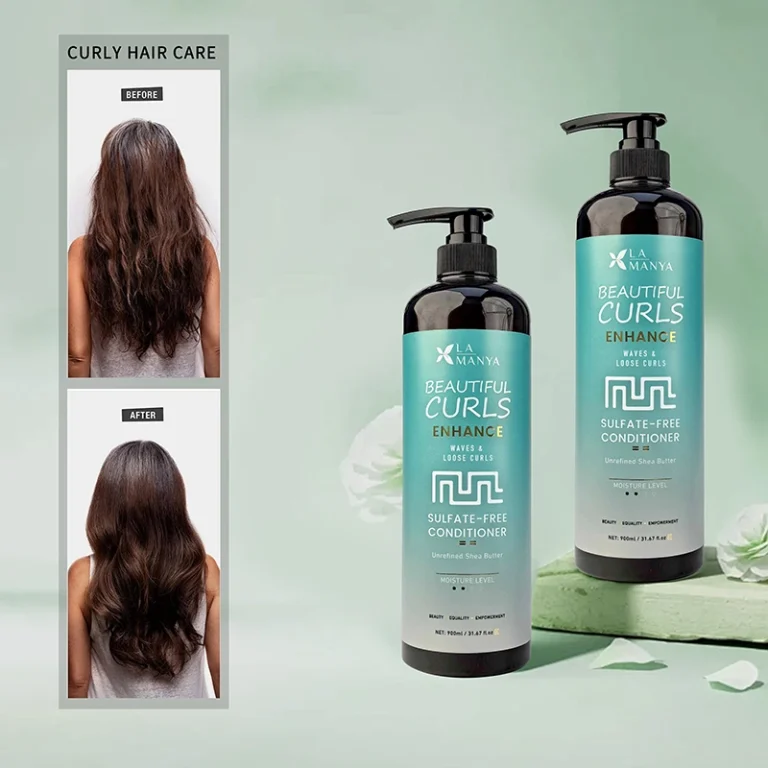
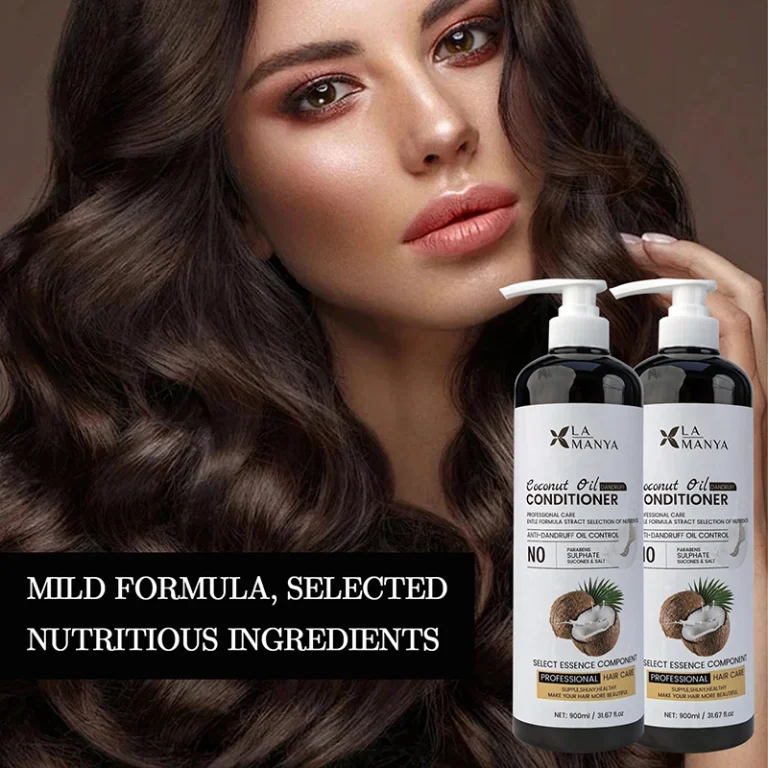
- Formula Development: Chemists at Jindao Shampoo Factory work to balance ingredients. A standard shampoo isn’t just “soap”; it’s a precise blend of surfactants for cleansing, conditioning agents for smoothness, and preservatives to ensure the product remains safe for use over time.
- The Sensory Experience: This involves choosing the “notes” of the fragrance and the viscosity of the liquid. Should it be a pearlescent cream or a clear, refreshing gel?
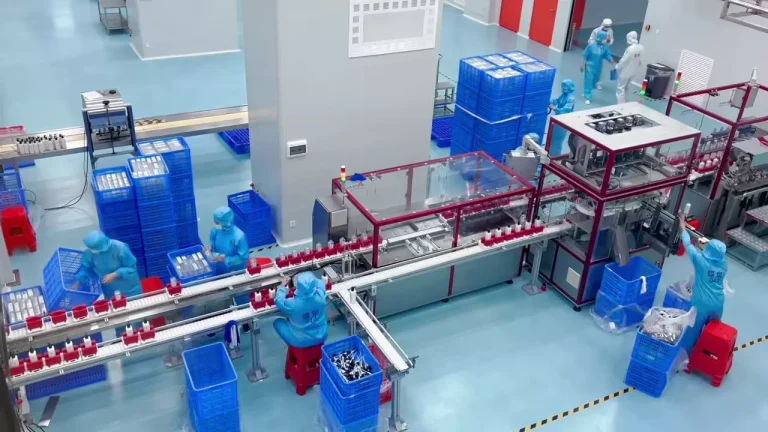
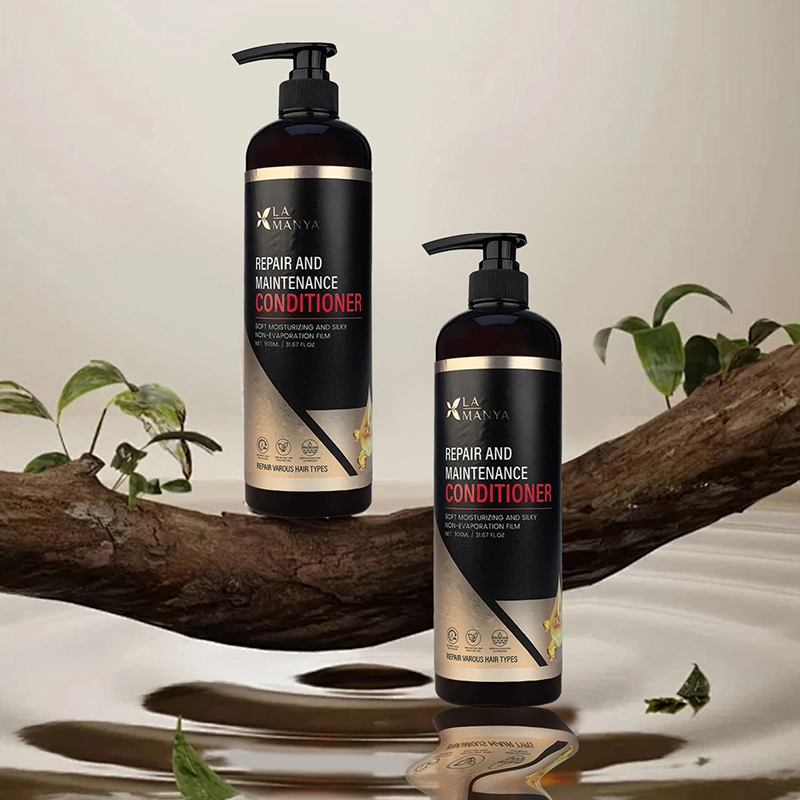
- Packaging and Design: Once the formula is locked in, the OEM partner handles the high-speed filling, labeling, and sealing of the containers.
Why Choose Shampoo OEM Processing?
For many entrepreneurs, the biggest hurdle to entering the beauty industry is the sheer cost of infrastructure. Building a factory that meets global safety standards requires millions in investment. By leveraging the existing infrastructure of Jindao Shampoo Factory, businesses can focus their capital on branding and distribution instead of stainless steel tanks and chemical storage.
Furthermore, OEM processing allows for “scalability.” A brand can start with a modest order to test the market and quickly ramp up to thousands of units as demand grows, all without having to hire a single factory worker.
Quality Control: The Invisible Ingredient
The most critical aspect of Shampoo OEM Processing is one the consumer never sees: quality assurance. A reputable factory must ensure that every batch is identical to the one before it. This involves rigorous testing of the pH levels—ensuring the product is gentle on the scalp—and stability testing to make sure the shampoo doesn’t separate or change color when exposed to heat or light.
By partnering with an established name like Jindao Shampoo Factory, brands benefit from years of refined manufacturing protocols. This ensures that when a customer opens a bottle, they get a professional-grade experience every single time.
Conclusion
The “barrier to entry” in the hair care world has shifted. It is no longer about who owns the biggest factory, but who has the best idea. Through Shampoo OEM Processing, the dream of owning a signature hair care line is now a reality for anyone with a vision for the next great “holy grail” product.