

When you look at the back of a high-end hair care bottle in 2026, there is a high probability that the expertise behind that formula originated in East Asia. The phrase “Made in China” has undergone a massive transformation in the beauty sector. Today, a China Shampoo Factory is no longer just a high-volume producer; it is a center for innovation, digital-first manufacturing, and advanced chemical engineering.
At the forefront of this industrial evolution is the Jindao Shampoo Factory, a facility that exemplifies why global brands are increasingly anchoring their production in China.
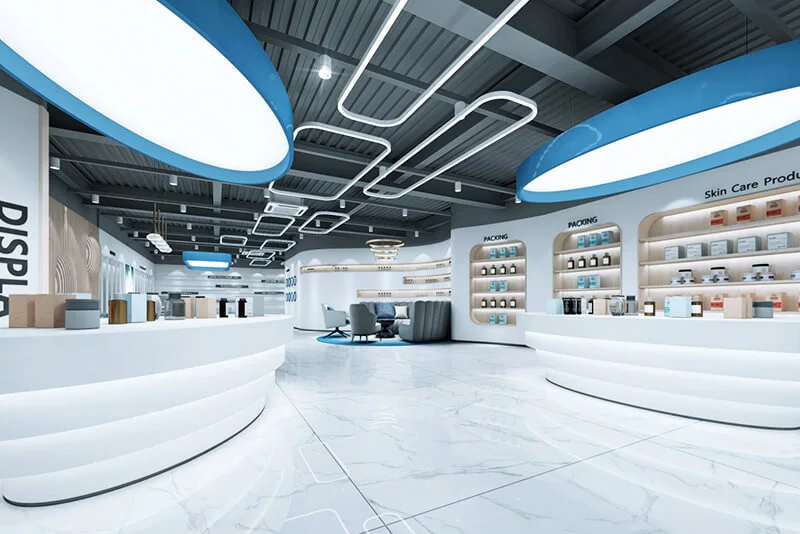
A Hub of Innovation and Speed
The modern China Shampoo Factory operates at a pace that few other regions can match. In the beauty industry, trends move at the speed of social media. If “rosemary oil for scalp health” goes viral on Monday, a sophisticated factory in China can often have a prototype formula ready for testing by Friday.
This agility is powered by a massive supply chain ecosystem. Within a small geographic radius, a manufacturer like Jindao Shampoo Factory has access to:
- High-Tech Raw Materials: From bio-fermented actives to rare botanical extracts.
- Packaging Specialists: Pioneers in sustainable, “camera-ready” bottle designs that appeal to Gen Z and Alpha consumers.
- Logistics Networks: Efficient shipping routes that connect the factory floor to warehouses in Europe, North America, and beyond.
Quality Standards for 2026
One of the biggest shifts in recent years is the rigorous regulatory environment. Every reputable China Shampoo Factory now operates under strict international standards, including GMPC (Good Manufacturing Practice for Cosmetics) and ISO 22716.
At Jindao Shampoo Factory, quality control isn’t just a final step; it’s integrated into the entire lifecycle of the product. This includes:
- Microbiological Testing: Ensuring that every batch is free from contamination.
- Stability Testing: Guaranteeing that the shampoo maintains its scent, color, and texture even after months on a shelf.
- Scalp-Safety Analysis: Balancing surfactants (cleansing agents) to ensure they are effective yet gentle on the skin’s natural barrier.
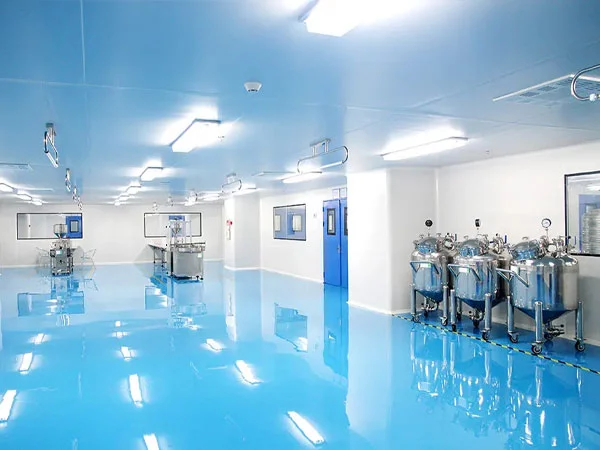
The Sustainability Mandate
As we move through 2026, the global conversation has shifted toward the “Green Beauty” movement. Leading Chinese factories have invested heavily in eco-friendly technology. This includes water-recycling systems within the plant, solar-powered production lines, and an focus on biodegradable formulas that don’t harm aquatic life once they go down the drain.
By partnering with Jindao Shampoo Factory, brands can tap into these sustainable practices, allowing them to market “Eco-Conscious” products without the massive overhead costs of building their own green infrastructure.
Conclusion
The decision to work with a China Shampoo Factory is a strategic one. It offers the perfect balance of cost-efficiency, technical prowess, and rapid market entry. Whether you are looking to launch a boutique line of sulfate-free washes or a mass-market anti-dandruff series, the infrastructure at Jindao Shampoo Factory is built to turn your vision into a global success story.