Creating your own shampoo brand through OEM (Original Equipment Manufacturer) is a systematic process involving market research, product design, production collaboration, and brand building. The following are the specific steps and key points to help you efficiently complete the customization process:
I. Defining Brand Positioning and Conducting Market Research
1. Ldentify the target users
- Analyze audience needs (such as anti-dandruff, anti-hair loss, oil control, repair, etc.).
- Research consumption scenarios (daily care, high-end salons, mother and baby products, etc.).
2. Market and competitor analysis
- Understand the ingredients, pricing, packaging design, and selling points of similar products.
- Identify opportunities for differentiation (such as natural ingredients, cutting-edge technology, and environmentally friendly concepts).
3. Brand Positioning
- Determine the brand positioning (high-end, affordable, functional, niche style, etc.).
II. Choosing a Reliable OEM Factory
1. Factory Selection Criteria
- Qualifications and Certifications: Check if the factory possesses a cosmetics production license, ISO quality management system certification, and complies with the regulations of the target market (e.g., China, EU, US FDA, etc.).
- R&D Capabilities: Does the factory support formula customization, provide ingredient suggestions, and offer sample production?
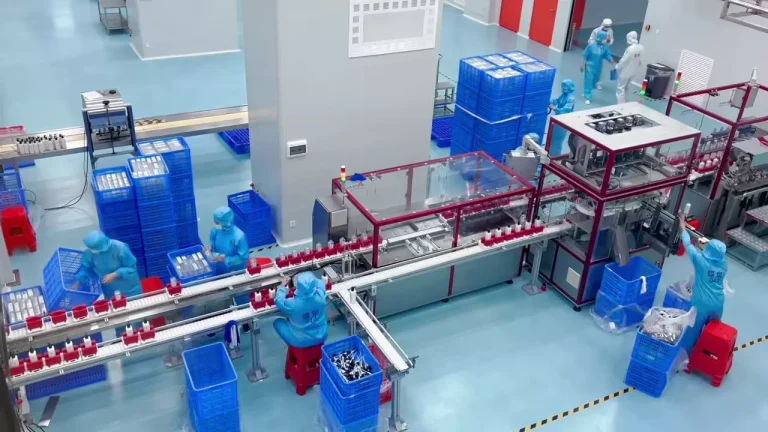
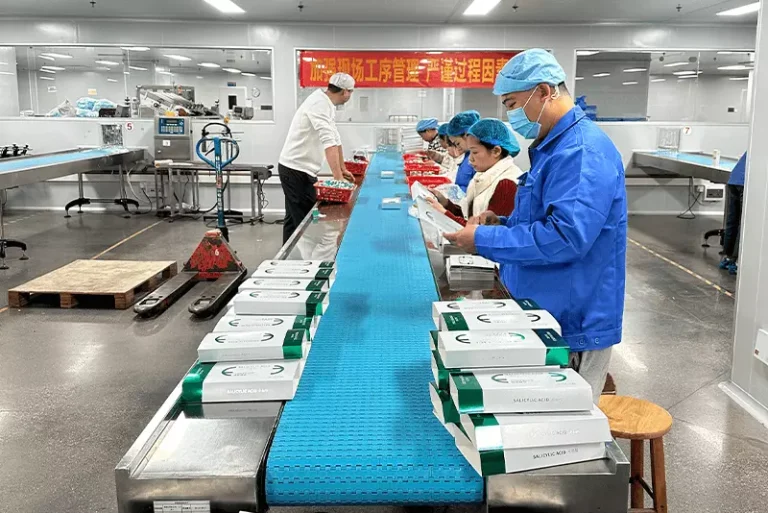
- Production Equipment: Does the factory have modern production lines and quality control laboratories?
- Case Studies: Examine the brands they have served, especially those in similar product categories.
2. Communication Requirements
- Specify your needs: Efficacy (e.g., anti-hair loss, repair), ingredients (whether it contains silicone oil, amino acids, plant extracts, etc.), and texture (transparent, lotion, gel, etc.).
- Confirm the minimum order quantity (MOQ), price, delivery time, and customization flexibility.
III. Product Development and Formula Confirmation
1. Formula Customization
- Communicate with the factory’s R&D team to adjust the formula based on efficacy requirements (e.g., adding caffeine for hair loss prevention, tea tree oil for oil control).
- Pay attention to ingredient safety and compliance, avoiding prohibited ingredients.
2. Sample Testing
- Request samples from the factory for testing of feel, scent, and cleansing effectiveness.
- Target users can be invited to try the samples, and feedback can be collected for optimization.
3. Packaging Design
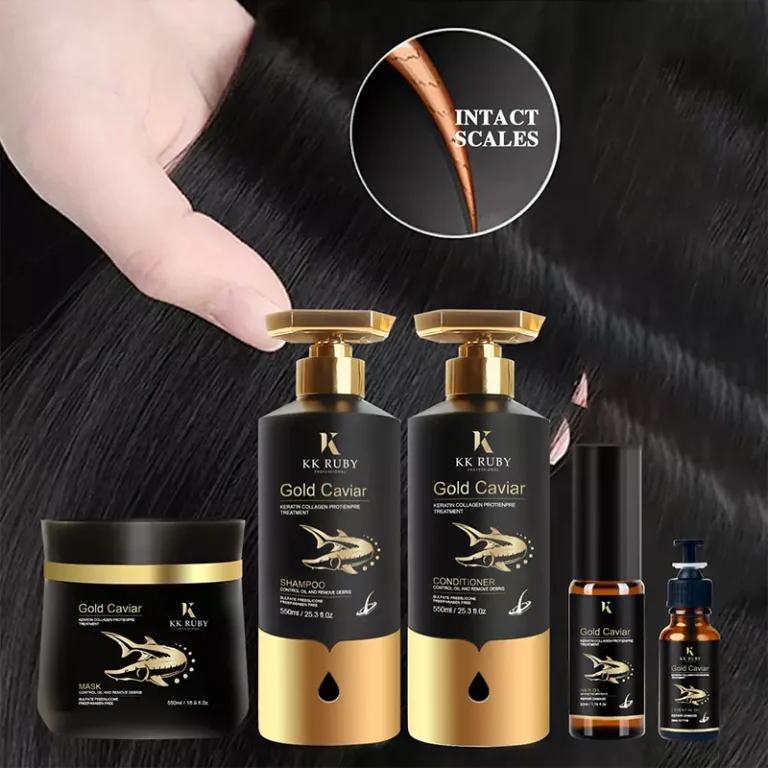
- Design the bottle, label, and outer box, and confirm the packaging materials (e.g., environmentally friendly materials) and printing process with the factory.
- Ensure that the label complies with regulations (e.g., ingredient list, net content, manufacturer information).
IV. Production and Quality Control
1. Contract Signing
- Clearly define ownership of the formula, confidentiality agreement, quality control standards, delivery time, and payment terms.
2. Production Supervision
- You can request to view the production line or video surveillance to ensure compliance with hygiene standards.
3. Quality Testing
- Require the factory to provide product quality inspection reports (e.g., microbial, heavy metal, and pH value tests).
- You can commission a third-party agency to conduct random inspections to ensure product safety.
V. Brand Registration and Compliance Filing
1. Trademark Registration
- Register your brand trademark in advance to avoid infringement risks.
2. Product Registration
- For domestic sales, cosmetic products must undergo registration (non-special purpose cosmetic product registration or special purpose cosmetic product registration).
- For export, products must comply with the requirements of the target country (e.g., EU CPNP, US FDA registration).
VI. Marketing and Channel Development
1. Brand Story and Unique Selling Proposition
- Emphasize ingredients, efficacy, and research and development background (e.g., “developed in collaboration with laboratories”).
2. Channel Planning
- Online (Amazon, independent website), Offline (salons, supermarkets, multi-brand stores).
3. Marketing Strategy
- Promote through KOL reviews, ingredient-focused educational content, and user experience sharing.
Important Considerations
- Cost Control: OEM costs include formula development fees, packaging materials, and production costs. The minimum order quantity is typically 1000-5000 bottles, and phased production can be negotiated.
- Intellectual Property: Ensure that the formula and design patents belong to the brand owner and are clearly stated in the contract.
- Long-term Cooperation: Establish a stable relationship with the factory to facilitate future product upgrades or line expansions.
Industry Trends Reference
- Green and environmentally friendly: Biodegradable packaging, vegan formulas, cruelty-free certification.
- Technology-driven: Hair loss prevention and growth-promoting ingredients (such as red ginseng extract), scalp microbiome balance.
- Personalized customization: Offering personalized options for fragrance and efficacy (requires factory technical support).
By following these steps, you can gradually build a competitive shampoo brand. It is recommended to start with small-batch trial production to test market feedback before scaling up.