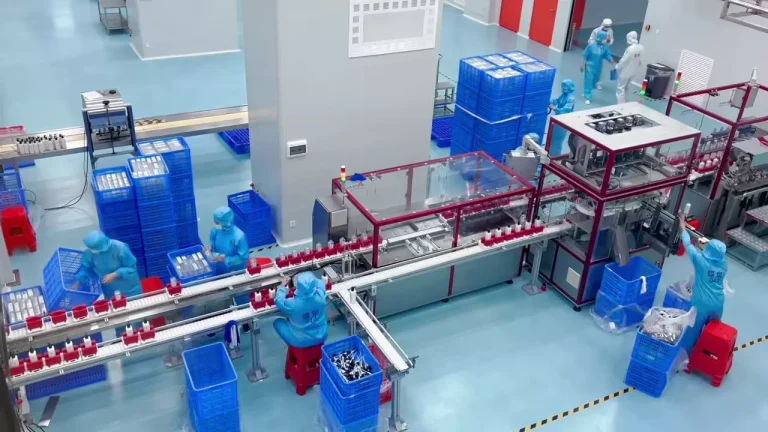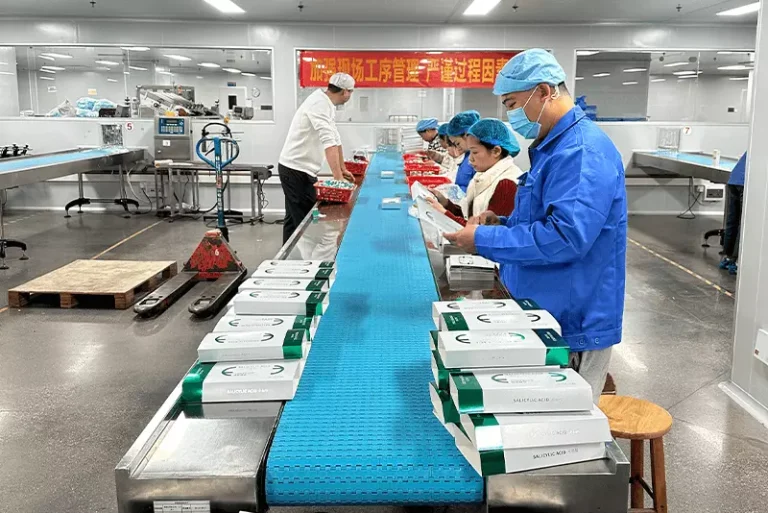
The Chinese shampoo OEM industry had a market size of approximately 23 billion yuan in 2023 (accounting for 28.6% of the total shampoo production value), and is expected to reach 26.5 billion yuan in 2024, and is projected to exceed 30 billion yuan in 2025, with a compound annual growth rate of 15%, significantly higher than the overall industry growth rate. In the global cosmetics OEM/ODM market, shampoo contract manufacturing accounts for approximately 12%-15%, corresponding to a market size of approximately US$5.4-6.8 billion in 2024, and is expected to grow to US$11.8-14.8 billion by 2035.
I. Key Data of the Chinese Shampoo OEM Market
| Years | Market size | Year-on-year growth | Industry share | Data source |
|---|---|---|---|---|
| 2023 | 23 Billion Yuan | 15% | 28.6% | Industry Research Report |
| 2024 | 26.5 Billion Yuan | 15.2% | 29.3% | Based on calculations using 2023 data |
| 2025 | 30.5 Billion Yuan (estimate) | 15% | 30.0% | Industry Forecasts |
| 2030 | 60 Billion Yuan (estimated) | 15% | 35.0% | Industry Forecasts |
- Production Capacity Distribution: Shampoo contract manufacturing accounts for 64.2% of the cosmetics OEM/ODM industry, far exceeding conditioners (28.5%) and high-end product lines such as hair masks (7.3%).
- Concentration: Leading contract manufacturers (such as Norsbell and Cosmax) are continuously increasing their market share, with the CR5 index rising from 41.6% in 2020 to 48.3% in 2023.
- Export Volume: China’s shampoo OEM export value is expected to exceed 8.5 billion RMB in 2024, with the number of EU GMPC certified production lines increasing by 37% year-on-year.
II. Global Market Correlation Data
- Global Cosmetics OEM/ODM Market: Reached US$45.3 billion in 2024, projected to increase to US$98.6 billion by 2035, with a CAGR of 7.33%.
- Shampoo OEM/ODM Share: Accounts for approximately 12%-15% of the cosmetics OEM/ODM market, corresponding to a market size of approximately US$5.4-6.8 billion in 2024.
- Regional Distribution: China is the world’s largest shampoo OEM/ODM base, handling approximately 45% of global amino acid surfactant shampoo orders. Emerging OEM/ODM bases in Southeast Asia have absorbed 15% of the global order transfer.
III. Growth Drivers
- Emerging Brands Boom: In 2023, the market share of emerging brands increased by 8.2 percentage points year-on-year to 21.4%, with their production line investment reaching 4.78 billion yuan, a 6% increase compared to 2022.
- Demand for Functional Products: The demand for OEM services for functional shampoos such as anti-hair loss, oil control, and repair products surged, with 137 new dedicated production lines added in the past three years.
- C2M Model Popularization: Brands quickly responded to the market through small-batch trial production within 72 hours, resulting in a first-month repurchase rate of 34.6% for new products, higher than the 18.2% of the traditional model.
- Shared Factories Lower Barriers: Modular production lines reduced the minimum order quantity to 5,000 bottles, and shared capacity accounted for 27% of the total OEM volume, attracting more small and medium-sized brands to enter the market.
IV. Market Characteristics Analysis
- From cost competition to value competition: Shampoo OEM companies have shifted from simply providing manufacturing services to offering full-chain solutions including R&D, design, testing, and regulatory compliance.
- Accelerated intelligent transformation: The coverage rate of smart factories is expected to reach 32% by 2025, with full-process automation enabling a daily production capacity of 120,000 bottles per line and a defect rate below 0.1%.
- Higher compliance thresholds: Following the implementation of the “Regulations on the Supervision and Administration of Cosmetics,” 327 small and medium-sized brands were deregistered in 2023, forcing Shampoo OEM companies to establish raw material traceability and efficacy verification systems.
- Green packaging becomes standard: The demand for environmentally friendly packaging products such as refillable packaging and solid/powder shampoos is increasing, with 63% of consumers willing to pay a 10%-15% premium for eco-friendly packaging.
V. Conclusion
The Chinese shampoo OEM industry is experiencing rapid growth, with a compound annual growth rate of 15% from 2023 to 2030, far exceeding the overall industry growth rate. The market size is projected to grow from 23 billion yuan in 2023 to 60 billion yuan in 2030, driven primarily by the rise of emerging brands, increased demand for functional products, and the popularization of the C2M (Consumer-to-Manufacturer) model. Globally, China maintains its position as the largest manufacturing base for shampoo OEMs, while also facing competitive pressure from emerging manufacturing bases in Southeast Asia.