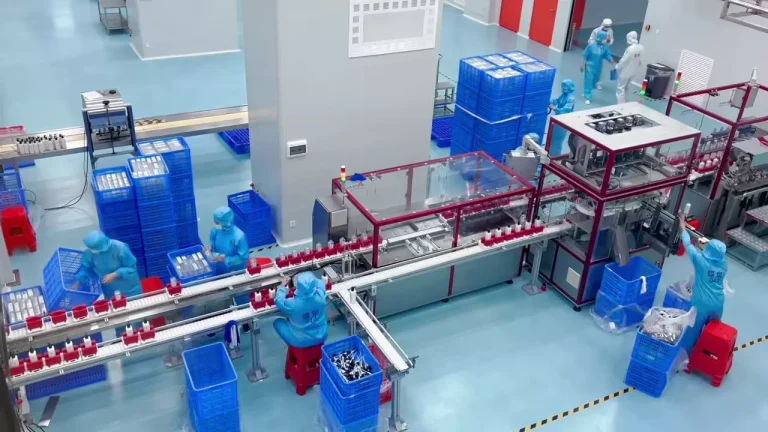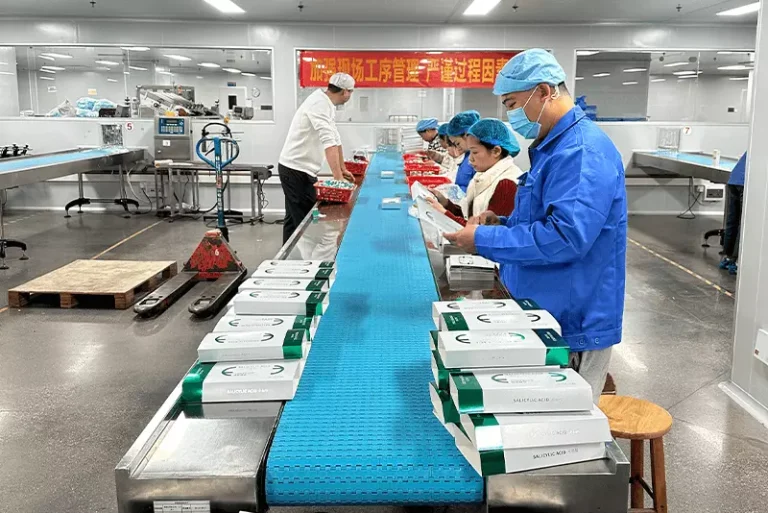
The shampoo OEM industry is undergoing a profound evolution towards efficacy, personalization, intelligence, sustainability, compliance, and flexibility. This transformation is driven by consumer upgrades, technological innovation, stricter regulations, and channel changes. Leading contract manufacturers are further increasing industry concentration through their comprehensive capabilities across the entire value chain. The following provides a detailed analysis from these key dimensions:
I. Overview of Core Trends
1. Efficacy and Ingredients: A compliance upgrade from “concept” to “evidence-based” validation.
- Scalp health at the core: Product focus shifts to scalp microbiome balance, anti-sensitivity, anti-hair loss, oil control, and anti-aging, making “scalp care” a standard feature.
- Ingredient transparency and evidence-based claims: Silicone-free, amino acids, fermented ingredients, and plant extracts are favored. Claims require clinical data and registration support. In 2025, the rejection rate for cosmetic product registration increased by 42% year-on-year, with traditional Chinese medicine shampoos being particularly affected due to “unidentified raw materials and unsubstantiated efficacy.”
- Higher thresholds for special permits and compliance: Shampoo OEM manufacturers of special cosmetics such as anti-hair loss and hair growth products need to possess special permit application capabilities, forcing factories to establish raw material traceability and efficacy verification systems.
2. Customization and Flexible Manufacturing: The explosion of C2M reverse customization
- Small-batch, rapid response: Minimum order quantity (MOQ) reduced to 5000 bottles, with trial production and market validation completed within 72 hours, ideal for emerging brands and trending products.
- AI-driven formula customization: Personalized formulas generated based on consumer data and scalp analysis; the penetration rate of intelligent personalized formula products is expected to reach 15.3% by 2026.
- Widespread adoption of flexible production lines: Production line switching time reduced from 4.6 hours to 18 minutes, with overall equipment effectiveness (OEE) exceeding 92%, supporting parallel production of multiple product categories and batches.
3. Intelligence and Digitalization: A Revolution in End-to-End Efficiency
- Smart Manufacturing Implementation: By 2025, smart factories will cover 32% of operations, with full-process automation enabling a daily production capacity of 120,000 bottles per line and a defect rate below 0.1%. AI visual inspection will reduce the defect rate from 1200 parts per million to 87.
- Deep Integration of Digital Twin and MES: The formula database is integrated with the manufacturing execution system, enabling real-time monitoring and quality traceability throughout the entire production process with an accuracy rate of 99.98%.
- AI Accelerates R&D: Machine learning algorithms are used in the development of scalp microbiome formulas, significantly increasing product repurchase rates and shortening the R&D cycle by 40%.
4. Green and sustainable: Low-carbon packaging and production
- Packaging Innovation: Refillable packaging, solid/powder shampoos, and airless bottles are becoming mainstream, with 63% of consumers willing to pay a 10%-15% premium for eco-friendly packaging. Sales of refillable packaging are growing by 82% annually.
- Production Emission Reduction: Water-based formula optimization and concentrated technologies reduce transportation and packaging carbon footprints, while shared factories and modular production lines improve resource utilization efficiency.
- Greener Raw Materials: Bio-fermentation and plant-based ingredients are replacing petrochemical components, balancing efficacy with environmental sustainability.
5. Channel Transformation: C2M and cross-border e-commerce are reshaping the supply chain
- C2M Reverse Customization: Leveraging platform consumer insights, brands complete small-batch trial production within 72 hours, resulting in a first-month repurchase rate of 34.6% for new products, higher than the traditional 18.2%.
- Cross-border E-commerce Growth: Export value is expected to exceed 8.5 billion RMB by 2025, with a 37% year-on-year increase in the number of EU GMPC certified production lines.
- Offline Experiential Services: Scalp testing and customized treatments drive high average transaction values, with hair care packages accounting for 41% of store revenue.
6. Compliance and Concentration: Stricter regulations accelerate industry consolidation
- Policy-driven compliance: Following the implementation of the “Regulations on the Supervision and Administration of Cosmetics,” 327 small and medium-sized brands were deregistered in 2023, and the market share of the top 10 companies rose to 58%.
- Outsourcing is concentrating towards leading companies: The CR5 index increased from 41.6% in 2020 to 48.3% in 2023, and the digital supply chains of leading companies resulted in production line utilization rates 32% higher than the industry average.
- Shared factories lower entry barriers: The minimum order quantity for modular production lines has been reduced to 5,000 bottles, and shared capacity accounts for 27% of the total contract manufacturing volume.
II. Key Data and Impact
| Dimension | Core data | Influence |
|---|---|---|
| Personalization penetration rate | By 2026, intelligent personalized formulations will reach 15.3%. | Shampoo OEMs need to provide AI-driven formulations and flexible manufacturing capabilities. |
| Intelligent manufacturing | By 2025, smart factories will have a coverage rate of 32%, and overall equipment effectiveness will exceed 92%. | Increased efficiency and improved quality, reduced costs. |
| Environmental premium | 63% of consumers are willing to pay a 10%-15% premium for environmentally friendly products. | Green packaging becomes a key differentiator for brands. |
| Compliance-based elimination | The registration rejection rate increased by 42% year-on-year, and the feature declaration period was extended. | Contract manufacturers need to strengthen their R&D and testing capabilities. |
| C2M effect | The repurchase rate for new products in the first month is 34.6%, compared to 18.2% for traditional products. | Shorten the time to market and reduce the cost of trial and error. |
III. Corporate Response Strategies
- Technology Upgrades: Implementing AI-driven formulations, smart factories, and MES systems to enhance flexibility and traceability.
- R&D Compliance: Establishing efficacy verification and raw material traceability systems to meet the requirements for special cosmetics registration.
- Green Transformation: Developing eco-friendly packaging and concentrated formulas to gain a competitive edge in the sustainability market.
- Channel Collaboration: Connecting with C2M platforms and cross-border channels to provide small-batch, rapid response services.
- Shared Production Capacity: Serving small and medium-sized brands through modular production lines to expand economies of scale.
IV. Future Outlook
From 2026 to 2030, the industry will exhibit three main characteristics: “high-end development, intelligence, and globalization.”
- The proportion of high-end products is increasing, with products priced above 300 yuan expected to exceed 45% by 2030.
- Scalp testing equipment has an 80% coverage rate in professional channels, and intelligent services are becoming widespread.
- Domestic brands are accelerating their expansion into overseas markets, with export volumes continuing to grow. Shampoo OEM manufacturers need to simultaneously pursue international certifications and expand their production capacity.
V. Conclusion
The shampoo OEM industry has shifted from “cost competition” to “value competition.” Contract manufacturers need to build barriers through functional R&D, intelligent manufacturing, green packaging, and compliance capabilities. Simultaneously, they must respond quickly to the market through flexible supply chains and the C2M (Customer-to-Manufacturer) model to gain an advantage during industry consolidation.