Launching a successful dandruff shampoo requires more than a great idea—it requires a manufacturing partner with the right expertise, capabilities, and reliability. For brands looking to enter or expand in the anti-dandruff hair care market, selecting the right OEM (Original Equipment Manufacturer) partner is a critical business decision. This guide outlines the key considerations for choosing a dandruff shampoo OEM manufacturer.
Why Dandruff Shampoo Manufacturing Requires Specialized Expertise?
Unlike regular shampoos, dandruff shampoos are functional products that involve:
- Handling of active ingredients: Such as Zinc Pyrithione, Ketoconazole, or Salicylic Acid, requiring expertise to maintain stability and efficacy.
- Scientific formulation balance: Ensuring effectiveness while being gentle on the scalp and providing a pleasing user experience.
- Regulatory compliance: Must meet cosmetic/drug regulations in target markets (like the EU, USA, ASEAN).
- Efficacy support: A reliable partner should provide or support necessary testing and efficacy verification.
7 Key Factors When Evaluating a Dandruff Shampoo OEM
1. R&D and Technical Expertise
- Does the factory have a dedicated R&D team for anti-dandruff products?
- Can they offer multiple proven dandruff formula platforms (e.g., for dry/greasy dandruff, different active combinations)?
- Are they capable of customizing formulations based on your brand positioning?
2. Certifications and Quality Standards
- Do they hold internationally recognized certifications (e.g., ISO 22716, GMPC)?
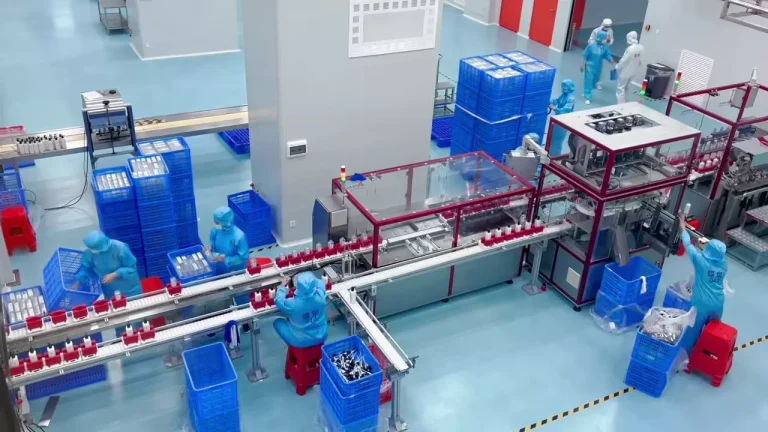
- Do they operate standardized production environments and have in-house QC labs?
- Can they provide full traceability from raw materials to finished goods?
3. Ingredient and Formula Library
- Do they possess a rich portfolio of proven dandruff formulas for selection or reference?
- Can they formulate using ingredients compliant with various market regulations (e.g., EU Cosmetic Regulation, China’s Safety and Technical Standards)?
- Do they offer natural/organic dandruff formula options?
4. Production Capacity and Delivery Reliability
- Are production lines dedicated to liquid/shampoo products to avoid cross-contamination?
- Are Minimum Order Quantities (MOQs) flexible to suit different brand growth stages?
- Can they guarantee reliable lead times to match marketing schedules?
5. Regulatory and Documentation Support
- Are they familiar with labeling and claim regulations in your target markets?
- Can they provide full technical documentation, ingredient safety data, and compliance statements?
- Can they assist with necessary regional registrations or notifications?
6. Packaging and Filling Capabilities
- Can they handle your chosen packaging types (e.g., pumps, pouches, special bottles)?
- Do their filling accuracy and hygiene standards meet requirements?
7. Case Studies and Industry Reputation
- Have they produced dandruff shampoos for other established or successful brands?
- What is their reputation within the industry, and how stable are their long-term client relationships?
Recommended Process for OEM Collaboration
- Clear Briefing: Communicate your target market, price point, key selling points, and desired efficacy clearly.
- Formula Selection & Sampling: Choose a base formula and proceed with sampling and adjustments.
- Testing & Evaluation: Conduct stability, safety, sensory, and preliminary efficacy testing.
- Production & QC: Confirm production standards and quality checkpoints for bulk production.
- Documentation & Delivery: Receive full technical and compliance documentation, and arrange logistics.
About Us
Guangzhou Shampoo Factory is a professional shampoo manufacturer with extensive experience in the R&D and production of dandruff shampoos. Operating 20 modern production lines—several dedicated to functional hair care products—we have built a comprehensive dandruff formulation system over 16 years of technical development. Our portfolio covers mainstream active ingredients and natural solutions, adaptable to different regional regulatory requirements.