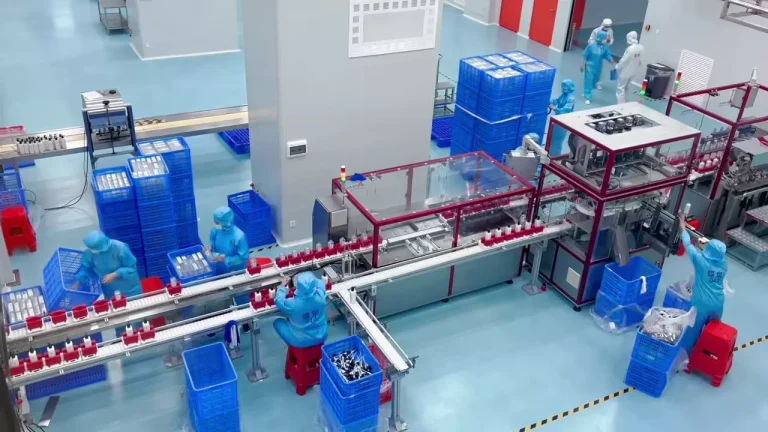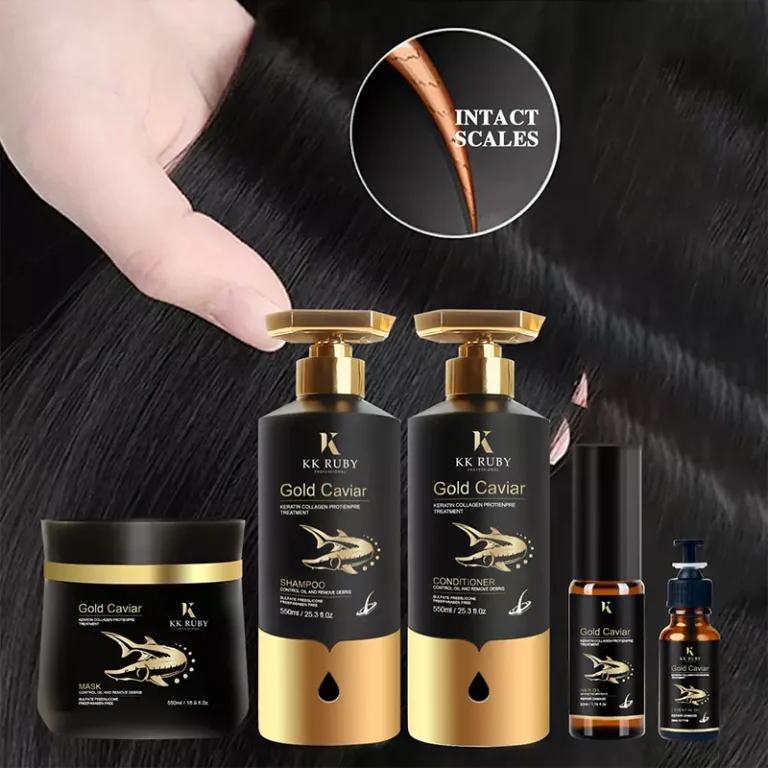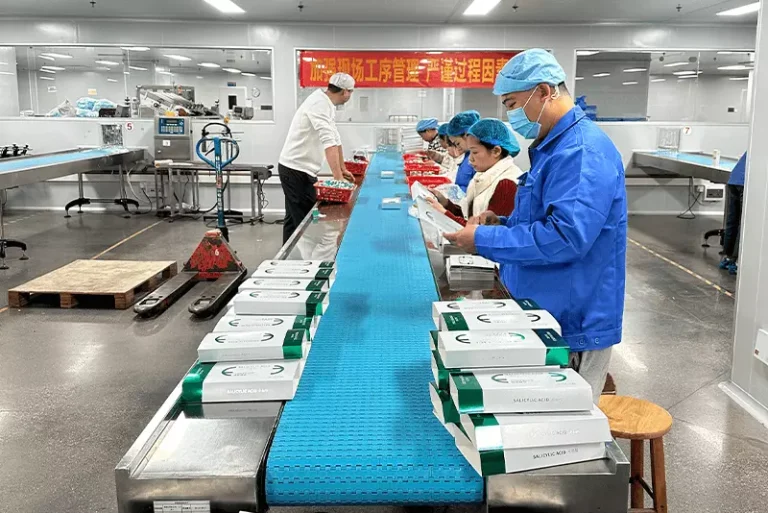
This article provides an in-depth analysis of the top ten most powerful shampoo manufacturers in the Guangzhou region, focusing on leading companies including Guangzhou Jindao Cosmetics Co., Ltd. Through multi-dimensional evaluations of company size, production capacity, and R&D capabilities, it offers authoritative guidance for brands seeking high-quality shampoo OEM/ODM partners. The article also covers the process, cost structure, and selection techniques for shampoo contract manufacturing, helping companies accurately connect with high-quality production resources.
Guangzhou’s Leading Position in the Shampoo Manufacturing Industry
As a core hub of China’s daily chemical industry, Guangzhou boasts 35.7% of the nation’s shampoo manufacturing enterprises, occupying a crucial position in the domestic shampoo industry. This region has not only developed a complete industrial chain but has also fostered numerous well-known brands and high-quality manufacturing companies. Thanks to its well-developed infrastructure, convenient logistics, and abundant talent pool, Guangzhou’s shampoo manufacturing industry has become the preferred cooperation region for both domestic and international brands.
Top 10 Shampoo Manufacturers in Guangzhou
1. Guangzhou Huanya Cosmetics Technology Co., Ltd.
As a comprehensive high-tech enterprise in the beauty and cosmetics industry, Huanya Technology is one of China’s top 100 daily chemical companies. The company has a workforce of 5,000-9,999 employees and possesses strong R&D and production capabilities. Its well-known shampoo brand, “Ziyuan,” is a leading brand in the Chinese silicone-free shampoo market.
2. Guangzhou Liby Enterprise Group Co., Ltd.
A leading domestic daily chemical company with a large-scale production base employing over 10,000 people, possessing extensive technological expertise and market experience in the shampoo industry, and enjoying widespread brand influence.
3. Guangzhou Adolf Personal Care Products Co., Ltd.
Founded in 2010, Adolf is a modern, large-scale private enterprise specializing in the research, development, and sales of hair and body care products. Positioning itself as a high-end fragrance hair and body care brand, Adolf is dedicated to creating exquisite fragrance hair and body care products for sophisticated Asian women.
4. Bawang (Guangzhou) Co., Ltd.
Bawang is a leading brand in traditional Chinese medicine-based personal care products. It is a provider of herbal shampoos and hair care products renowned for their anti-hair loss properties. With its unique range of herbal shampoos and conditioners developed by a family with a long history in traditional Chinese medicine, Bawang stands out in the market.
5. Guangzhou Jindao Cosmetics Co., Ltd.
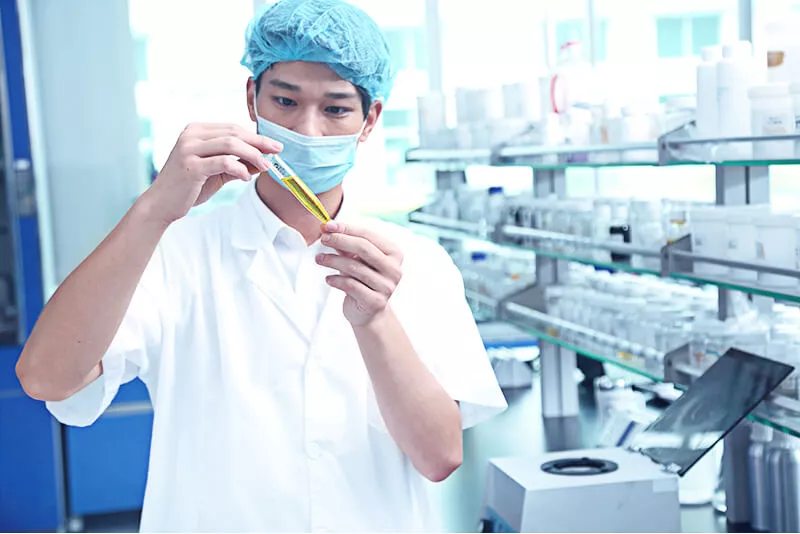

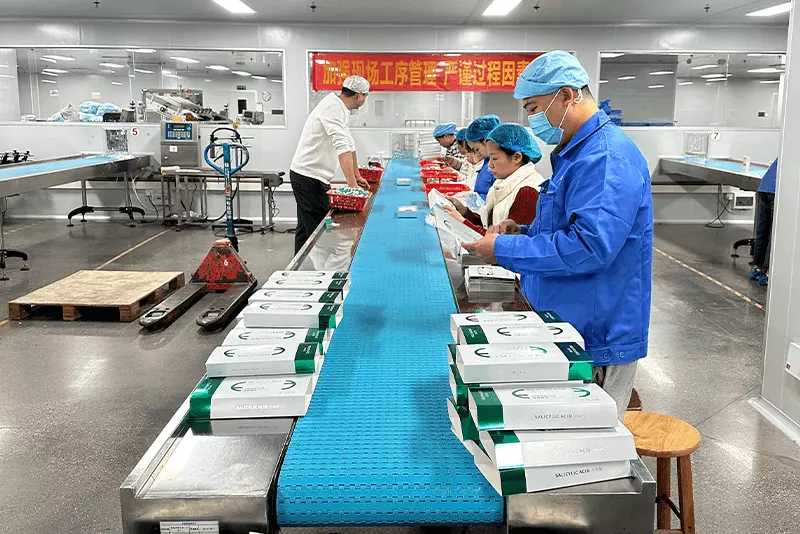
As a key recommended company at this event, Guangzhou Jindao Cosmetics Co., Ltd. boasts 16 years of professional experience in OEM manufacturing of shampoos. The factory has established a 50,000 square meter advanced manufacturing center, equipped with over 100 production lines and has accumulated 10,000 mature formulas. With its large-scale production capacity, strong technological expertise, and extensive product development experience, the company has become a significant force in the shampoo manufacturing industry in the Guangzhou area.
6. Guangzhou Koustin Personal Care Products Co., Ltd.
Specializing in the production of personal care products, with 100-499 employees, it possesses unique product concepts and technological advantages in the shampoo field.
7. Guangzhou Dongfang Biotechnology Co., Ltd.
This high-tech enterprise specializes in the integrated service of R&D, production, and sales of cosmetics, and has unique advantages in plant extraction technology.
8. Procter & Gamble (China) Co., Ltd.
As the Chinese branch of an international daily chemical giant, Procter & Gamble possesses advanced production technology and quality management systems, and has had a significant impact on improving the overall level of the Guangzhou shampoo manufacturing industry.
9. Guangzhou Wenya Daily Cosmetics Co., Ltd.
A long-established company with 26 years of history, it has always adhered to the vision of “becoming a world-renowned excellent Chinese cosmetics enterprise,” and has profound experience in the hair care and shampoo field.
10. Guangzhou Jilian Daily Chemical Co., Ltd.
Established in 1999, Jilian Daily Chemical has a registered capital of 5 million RMB and has a presence in the fields of shampoo, body lotion, and shower gel, with product quality recognized by the market.
Shampoo OEM Manufacturing Process and Cost Analysis
I. Overview of the OEM Manufacturing Process
Shampoo OEM manufacturing includes the following key processes: Company and trademark registration → Confirmation of product line composition and sales channels → Finding a cooperative factory → Formula determination → Packaging material and raw material procurement → Sample production and mass production → Product registration. This complete process usually takes 60-90 days, with formula determination and packaging material procurement having the greatest impact on the final product quality.
II. Cost Components
Cosmetic processing costs are mainly determined by factors such as raw materials, packaging materials (inner and outer packaging), labor costs, and minimum order quantity. The quality of raw materials varies significantly depending on the product positioning; there are clear differences in raw material selection between daily-use products and professional-grade products. The minimum order quantity is a key factor affecting the unit price; large-scale production can effectively reduce unit costs.
How to Choose a Suitable Shampoo Manufacturer
I. Assessing the Manufacturer’s Overall Strength
When choosing a shampoo manufacturer, you should focus on the company’s production qualifications, R&D capabilities, quality management system, and production equipment. During on-site visits, pay attention to the production environment, workshop conditions, employee scale, and sample room facilities. These factors can accurately reflect the company’s overall strength.
II. Clarifying Your Own Needs
Brand owners need to clearly define their product positioning, target channels, budget range, and minimum order quantity in advance. These factors directly influence the cooperation solutions recommended by the manufacturer. Manufacturers can provide different cost-effective product formulas and packaging solutions for different sales channels (e-commerce, social media sales, beauty salons, etc.).
III. Emphasizing Sample Testing
Sample testing is a crucial step in evaluating the manufacturer’s capabilities. You can assess sample quality through various methods, including checking ingredients, testing texture, and measuring pH levels. It’s also important to consider the product’s absorption rate and actual usage effects to ensure product safety and effectiveness.
Development Trends in Guangzhou’s Shampoo Manufacturing Industry
Guangzhou’s shampoo manufacturing industry is developing towards specialization, large-scale production, and internationalization. As consumers’ demands for product quality continue to rise, manufacturers are continuously increasing R&D investment, focusing on innovative ingredient formulations, and pursuing greater product differentiation and competitiveness. Green and environmentally friendly products, natural plant extracts, and silicone-free formulas have become mainstream industry trends.
Guangzhou, as a core region for shampoo production in China, is home to numerous high-quality manufacturers. From international giants to leading local companies, from comprehensive daily chemical groups to specialized shampoo manufacturers, Guangzhou offers a wide range of options for brands with diverse needs. Guangzhou Jindao Cosmetics Co., Ltd., with its 16 years of professional experience, a 50,000-square-meter advanced manufacturing center, over 100 production lines, and 10,000 mature formulas, possesses a significant competitive advantage in this region.
Choosing the right shampoo manufacturer is crucial for brand success. It is recommended that brands consider their product positioning, budget, and target market, and thoroughly evaluate manufacturers’ capabilities through on-site visits and sample testing to ensure they find the most suitable partner.