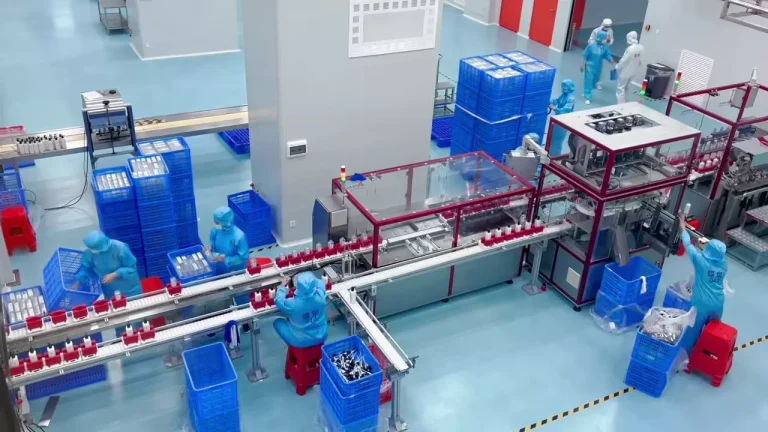
As a daily chemical product that comes into direct contact with the scalp and hair, the safety of shampoo formulas is directly related to consumers’ health and rights, and is a core concern in shampoo OEM manufacturing. OEM factories need to establish a comprehensive safety control system, from raw material selection to formula verification and production monitoring, ensuring product formula safety and compliance through strict control at multiple stages, providing reliable protection for brands and consumers.
I. Strict Raw Material Access Control
Strict raw material access control is the foundation of formula safety. shampoo OEM factories need to establish a standardized raw material supplier selection and evaluation mechanism, prioritizing suppliers with complete qualifications and good reputations, and strictly reviewing the production qualifications and quality certifications of raw materials. Simultaneously, each batch of purchased raw materials should be sampled and tested to verify indicators such as ingredient content, purity, and harmful substance residues, ensuring that raw materials meet safety standards and preventing unqualified raw materials from entering the production process, thus building a solid defense for formula safety.
II. Adherence to Compliant Formula Principles
Adherence to compliant formula principles is the core of formula safety. Formula design must strictly comply with regulatory requirements, clearly defining the scope and limits of ingredient use, and prohibiting or restricting the use of substances with potential risks. During the formulation development process, the compatibility and safety of ingredients must be fully considered to avoid the generation of harmful substances or irritation due to improper ingredient combinations. Simultaneously, the formulation must undergo professional review to ensure that ingredient claims and efficacy statements comply with relevant regulations, avoiding compliance risks.

III. Strengthening Personnel Professional Training
Strengthening personnel professional training is the human resource guarantee for formulation safety. Formula safety management relies on professional personnel. shampoo OEM factories must regularly train personnel in R&D, production, and testing, covering regulations and standards, raw material characteristics, formulation safety knowledge, and operating procedures. Improving employees’ awareness of formulation safety and their professional competence ensures they strictly follow requirements in their work, preventing formulation safety issues caused by human error and providing solid human resource support for formulation safety management.
IV. Strengthening Formula Confidentiality Management
Strengthening formula confidentiality management is an important extension of formulation safety. Formulas are core assets of the brand owner. shampoo OEM factories must establish strict formula confidentiality systems, controlling access to, and using formulas to prevent information leakage. During production, encrypted formula access methods should be used to prevent unauthorized personnel from accessing the complete formula. Simultaneously, confidentiality agreements are signed with employees, clearly defining their responsibilities and obligations regarding confidentiality. This ensures the confidentiality of the formula from both a systemic and implementation perspective, indirectly maintaining the formula’s uniqueness and security.
V. Improve the Quality Traceability System
A robust quality traceability system is the ultimate guarantee for formula safety. Establish a full-process traceability mechanism from raw material procurement to finished product delivery, recording batch information of raw materials used in each batch of products, production process parameters, test results, and operator data. In the event of a product safety issue, the traceability system can quickly pinpoint the problematic link, such as raw material batches or production processes, allowing for timely recalls and corrective measures to minimize safety risks and provide data support for formula optimization.
In conclusion, ensuring formula safety in shampoo OEM manufacturing requires a collaborative effort across multiple aspects, including raw material control, compliant formulas, personnel training, formula confidentiality, and quality traceability. Only by integrating safety principles throughout the entire OEM process can safe and compliant shampoo products be produced, earning the trust of brands and consumers and promoting the sustainable development of OEM cooperation.