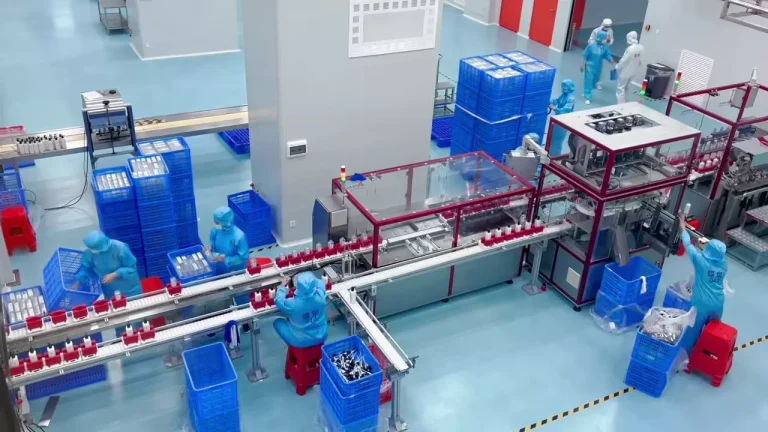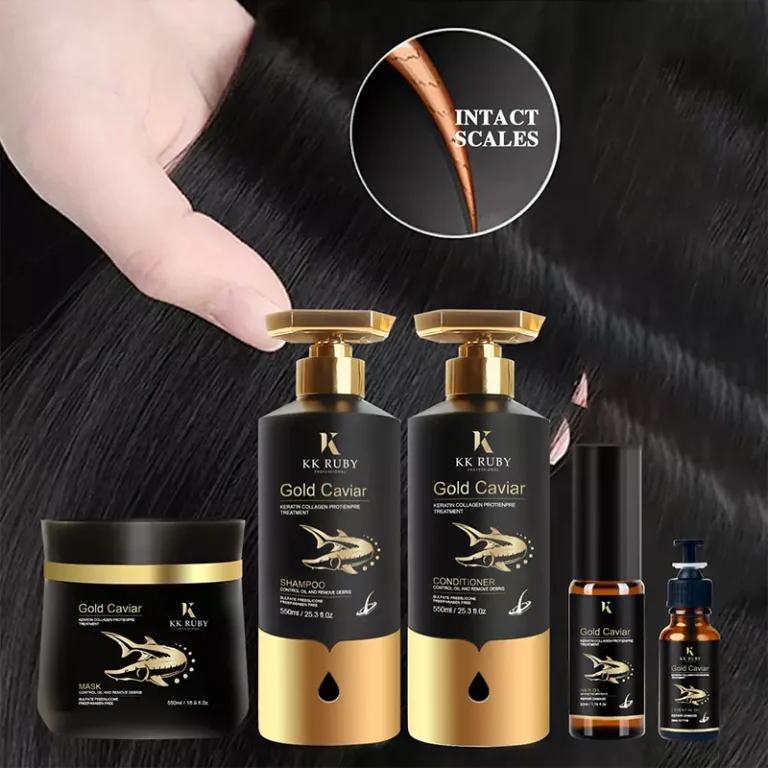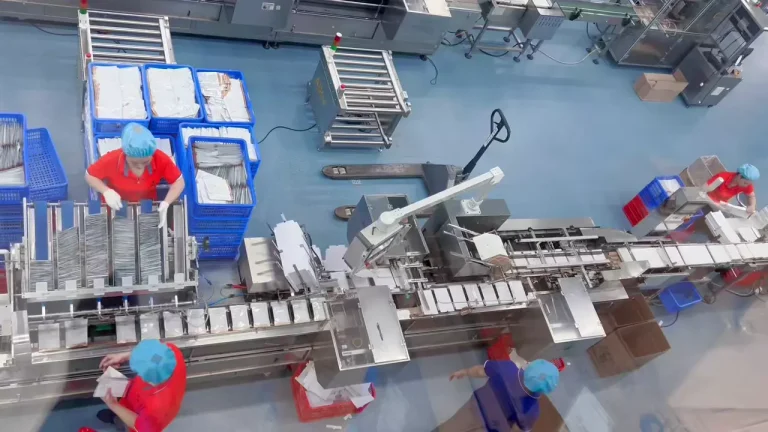
As a core hair care product, the quality and performance of shampoo are directly determined by its raw material system. In shampoo OEM manufacturing, proper selection and combination of ingredients are crucial to ensuring efficacy, stability, and user experience. Its raw material system is built around core functions such as cleansing, conditioning, and stabilization, with various ingredients working together to form formulas tailored to different needs. This article outlines commonly used raw material categories in OEM manufacturing, analyzes their core functions, and provides a reference for understanding the basics of shampoo production raw materials.
I. Surfactants
Surfactants are a core raw material in shampoo, responsible for cleansing and removing dirt. They penetrate the gaps between oil and dirt by reducing the surface tension of water, emulsifying and dispersing them before they are carried away by the water flow. In OEM formulations, it is necessary to balance cleansing power and gentleness to avoid damaging the scalp barrier. By combining different types of surfactants, a balance is achieved between cleansing power, gentleness, and foam texture, laying the foundation for the subsequent conditioning ingredients to function effectively.
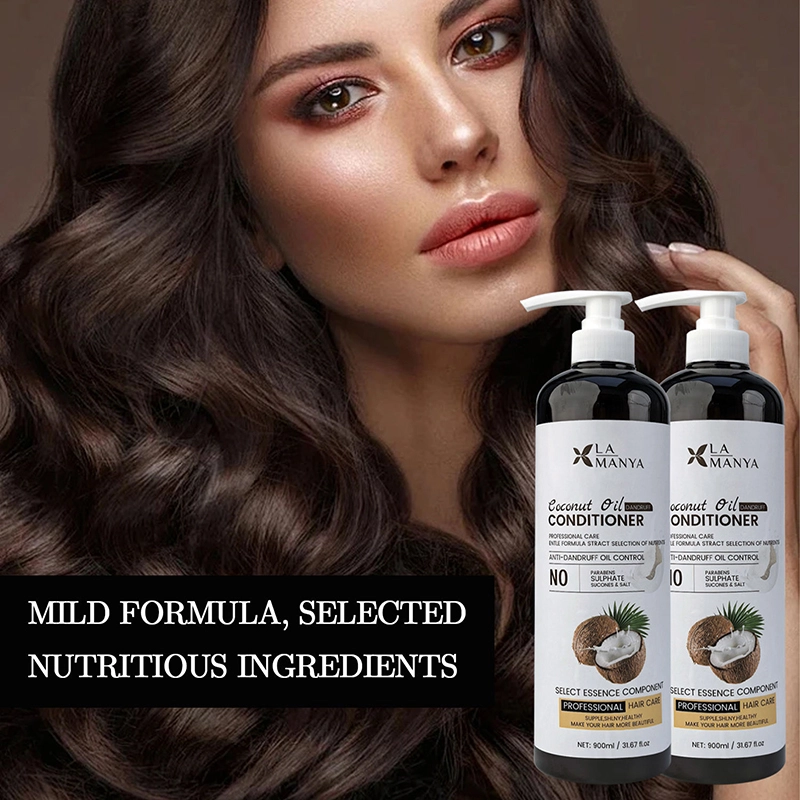
II. Conditioning Ingredients
Conditioning ingredients are key to enhancing the user experience and efficacy. Their core function is to improve hair condition, alleviate dryness and frizz after cleansing, and ensure scalp comfort. They form a protective film on the hair surface to reduce friction, improving smoothness, softness, and shine. Some ingredients also nourish the scalp, maintain microenvironmental balance, and relieve dryness and tightness. OEM/ODM processes require tailoring to the product’s positioning and different hair types to achieve personalized conditioning.
III. Thickening and Stabilizing Ingredients
Thickening and stabilizing ingredients are important auxiliary materials for maintaining product form and improving formula stability. Thickening ingredients adjust viscosity, creating a suitable flow state for easy application and foaming, enhancing sensory texture. Stabilizing ingredients ensure formula uniformity and shelf life, preventing issues such as layering and sedimentation during storage and use. By adjusting pH and enhancing ingredient compatibility, they ensure stable performance under different environments, guaranteeing consistent quality.
IV. Moisturizing Ingredients
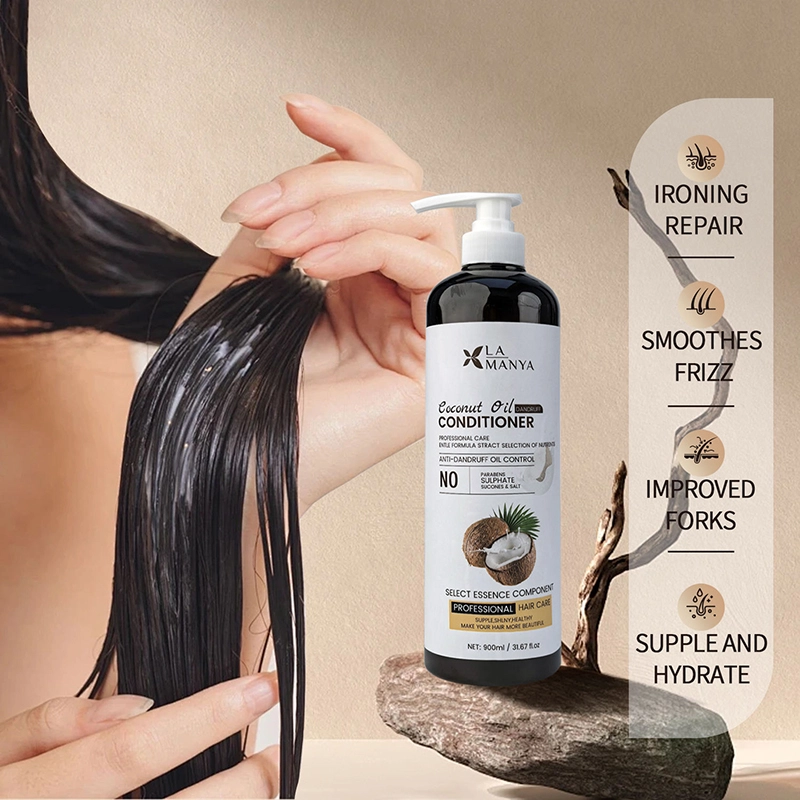
Moisturizing ingredients are indispensable auxiliary raw materials in the formula. Their core function is to lock in moisture on the scalp and hair, preventing excessive moisture loss during cleansing that leads to dryness, brittleness, and split ends. They reduce moisture evaporation by forming a moisturizing film, maintaining hydration, comfort, and elasticity. During OEM/ODM manufacturing, it’s necessary to consider the moisturizing positioning and add ingredients appropriately for dry hair types or seasons to enhance the user experience and alleviate dryness and discomfort.
V. Functional Active Ingredients
Functional active ingredients are added according to specific efficacy needs, giving the shampoo targeted functions such as dandruff control and oil control. A wide variety is available, allowing for selection based on needs. During OEM/ODM manufacturing, safety and effectiveness must be prioritized, while also considering compatibility with other ingredients to ensure stable efficacy within the shelf life and meet specific consumer hair care needs.
In summary, the raw material system for shampoo OEM/ODM manufacturing is a complex system of multiple ingredients working synergistically. Each ingredient plays a specific role in determining product quality and efficacy. OEM/ODM manufacturers need to combine product positioning, target audience, and efficacy needs scientifically in selecting and matching ingredients, balancing safety, stability, and user experience to produce high-quality products that meet market demands.